Chrononutrition
When should a night owl eat?
Adriano dos Santos
2 min read
If your day starts late, where should breakfast and dinner fit? Start with when you wake and when you sleep.
“Eat breakfast like a king.” For whom, exactly? If your day starts late, breakfast and dinner need to fit around your sleep. I suggest starting with when you wake and when you expect to go to sleep, rather than picking a breakfast or dinner time from the clock alone.
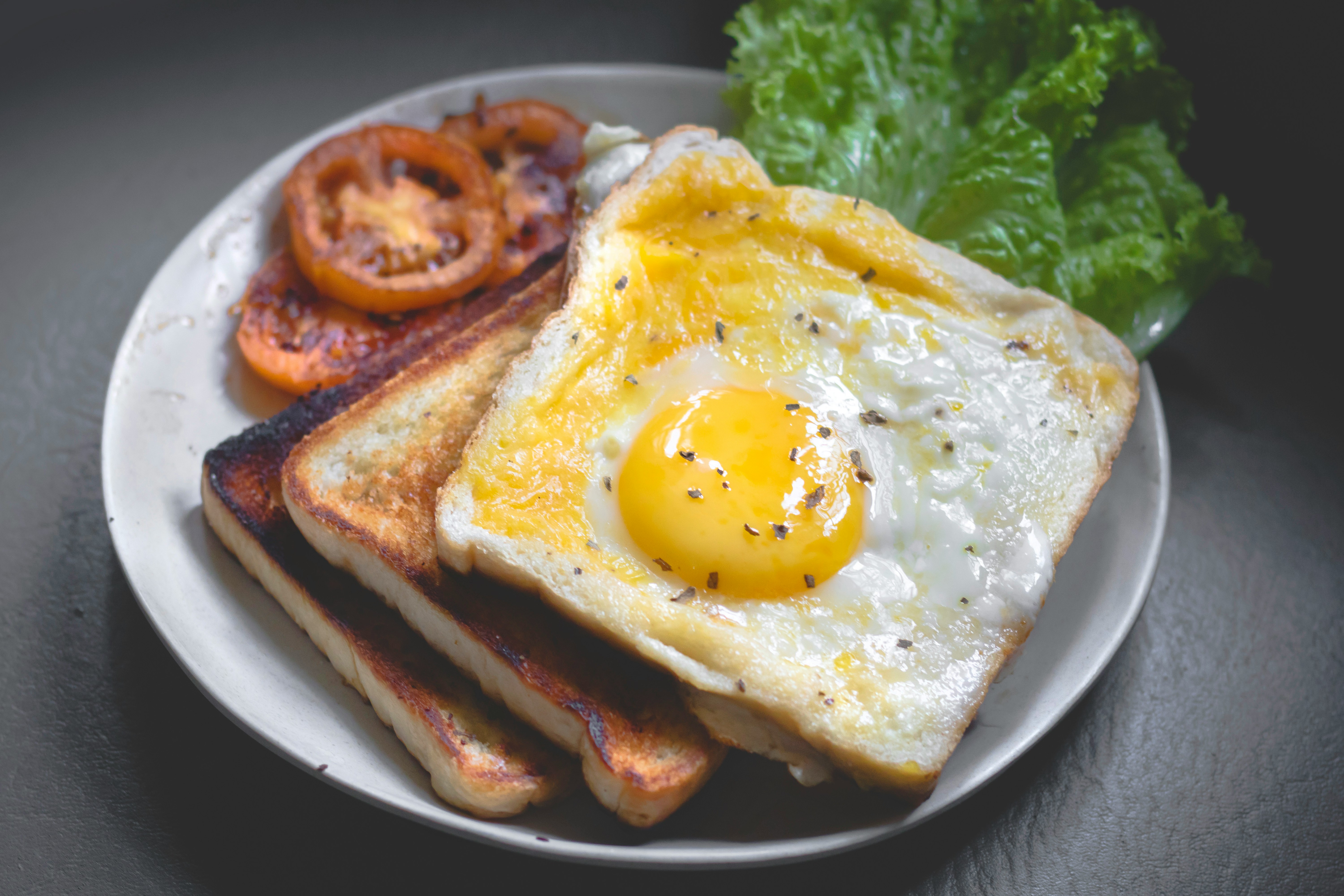
Start with when you wake
Note when you wake on a day without an alarm, alongside when you usually go to sleep. These are reference times for looking at your routine, not a precise measurement of your body clock. My practical suggestion is to eat within 2 hours of waking and finish eating 3 hours before you expect to sleep. Keep roughly the same times at weekends too.
That 3-hour margin before sleep is wider than the 2-hour night window researchers studied. It is my practical suggestion, not a cutoff established by the research. These suggestions will not suit everyone: if a health condition, medication or your history with food makes changing meal times a clinical matter, discuss it with your clinician.

Why look at meals alongside sleep?
Xiao and colleagues studied 872 middle-to-older-aged adults, collecting 6 dietary recalls from each person over 1 year. Each recall covered 24 hours. They examined eating within 2 hours of getting out of bed and within 2 hours before bedtime, so the morning and night windows followed each person’s schedule rather than a fixed hour on the clock.
A higher share of daily energy eaten in the morning window was associated with lower odds of overweight or obesity. The night window showed the opposite association. The morning link was stronger in earlier chronotypes, and the night link was stronger in later chronotypes. Chronotype describes our tendency towards earlier or later sleep and waking.
A late-eating association, not a weight-loss promise
For a night owl, the evening finding is worth paying attention to. But the researchers observed people’s habits; they did not run a trial of moving meals. The study cannot show that meal timing caused the difference or tell us that eating earlier will change an individual’s weight.
How long after waking do you first eat, and how close to sleep do you finish?